

Historic Viaducts Prepared for the Future: SPESA Rehabilitates a Section of the Hamburg Hochbahn AG Network
- Rehabilitation of the stone viaducts along a 2 km section of the U3 Ring Line
- Rehabilitation of masonry vaults and piers
- Extensive demolition and reinforcement work, sprayed mortar applications, and crack and area grouting
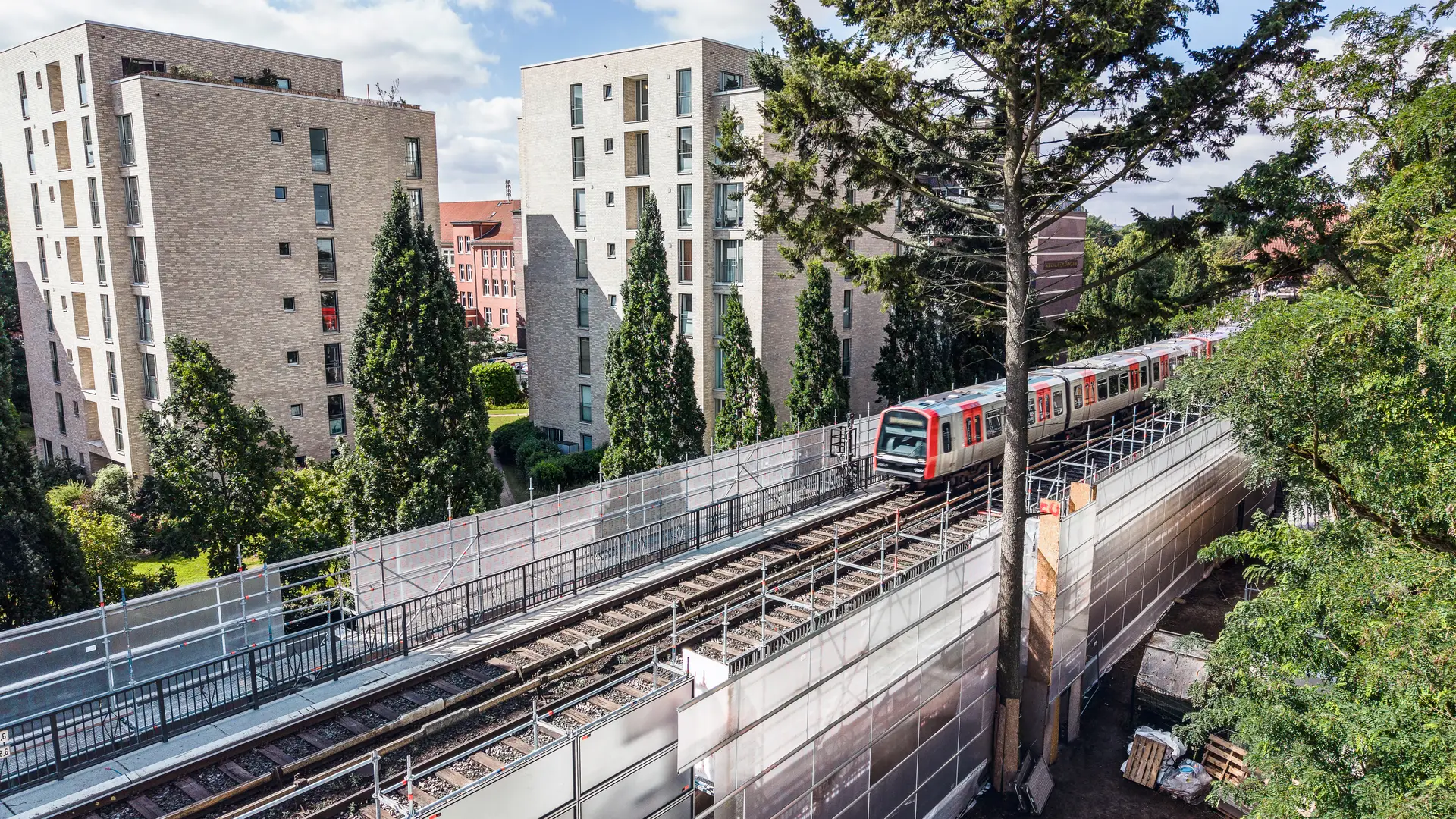
Hamburg, Germany – The opening of the Ring Line in February 1912 marked the beginning of a new era of urban mobility in Hamburg. After Berlin, Hamburg became the second city in Germany to have an elevated and underground railway system. Six years of construction preceded its opening, during which 23 stations, nearly 7 km of tunnels, and approximately 3 km of viaducts were built. More than a century later, the subway has become an integral part of Hamburg’s cityscape and public transportation network.
Preserving Historic Structures
The original Ring Line remains in operation today as the U3. Its historic structures not only shape Hamburg’s cityscape but are also an important part of the public transportation network. To ensure that they can continue to serve reliably for decades to come, they require regular maintenance and rehabilitation.
As part of the “Brücken Mundsburg 2026” project, Hamburger Hochbahn AG commissioned SPESA Spezialbau und Sanierung GmbH to rehabilitate the stone viaducts along the eastern section of the U3, between Mundsburg station to the south and Dehnhaide station to the north. “The approximately 2 km section runs predominantly on an elevated structure, with the route largely following a viaduct comprising a series of steel and solid structural elements,” explains SPESA Site Manager Dirk Koblenz.
Modern Rehabilitation Techniques
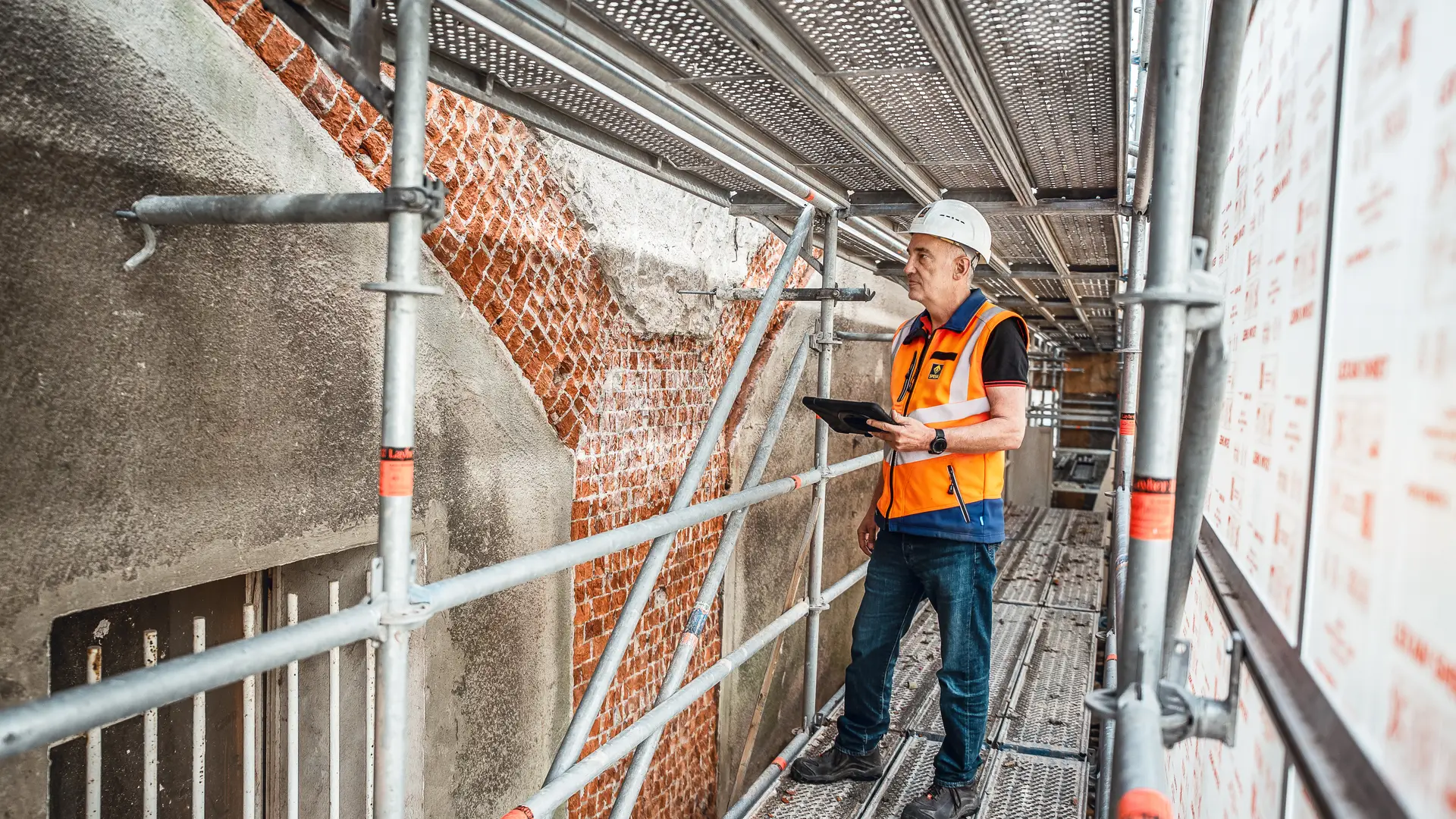
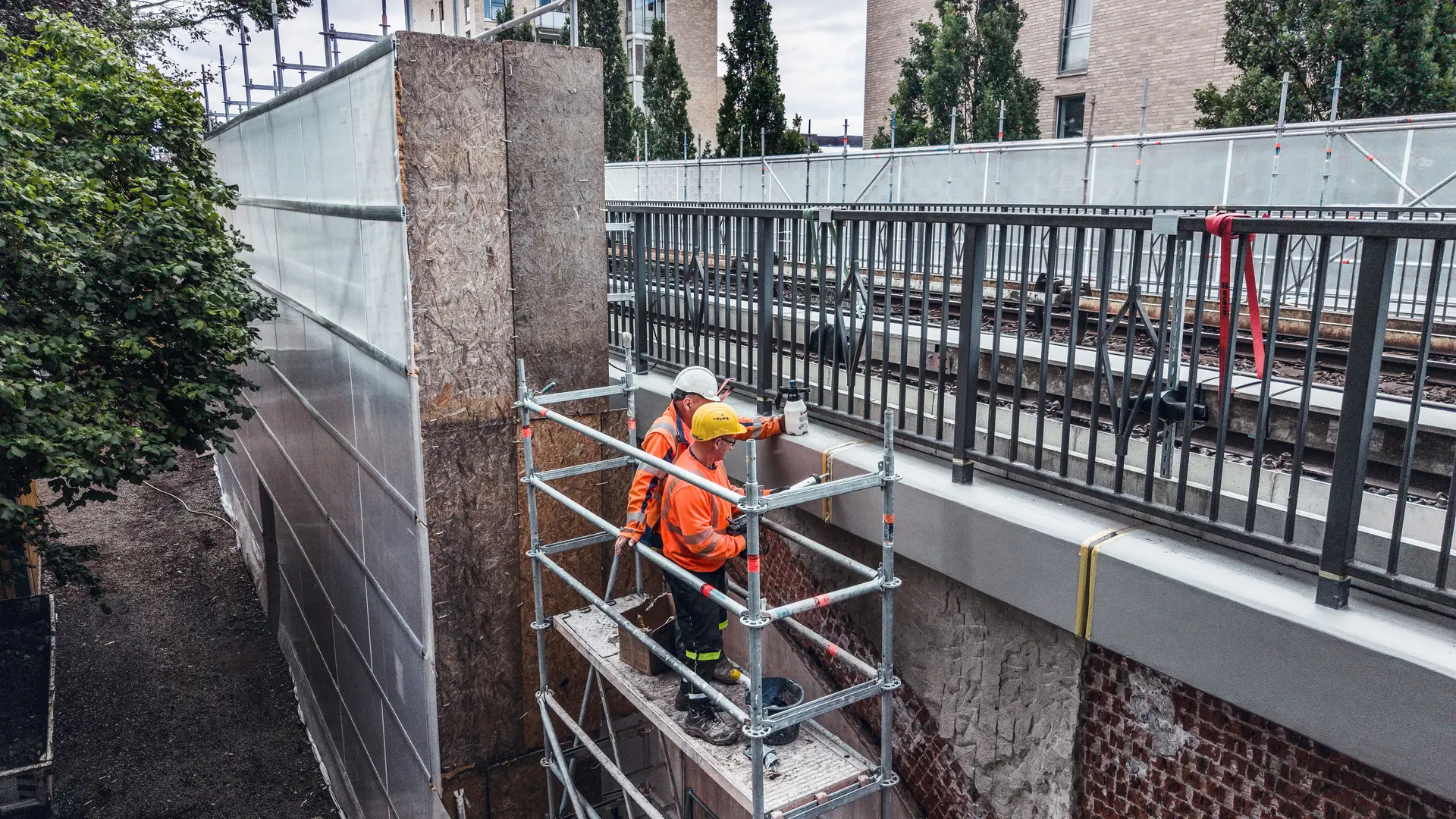
The main focus of the work is the rehabilitation of the historic stone viaducts. This involves upgrading the masonry vaults and piers, repairing the outer walls of the vaults, and rehabilitating the cornices. SPESA’s scope of work includes extensive demolition and reinforcement work, sprayed mortar applications, and crack and area grouting.
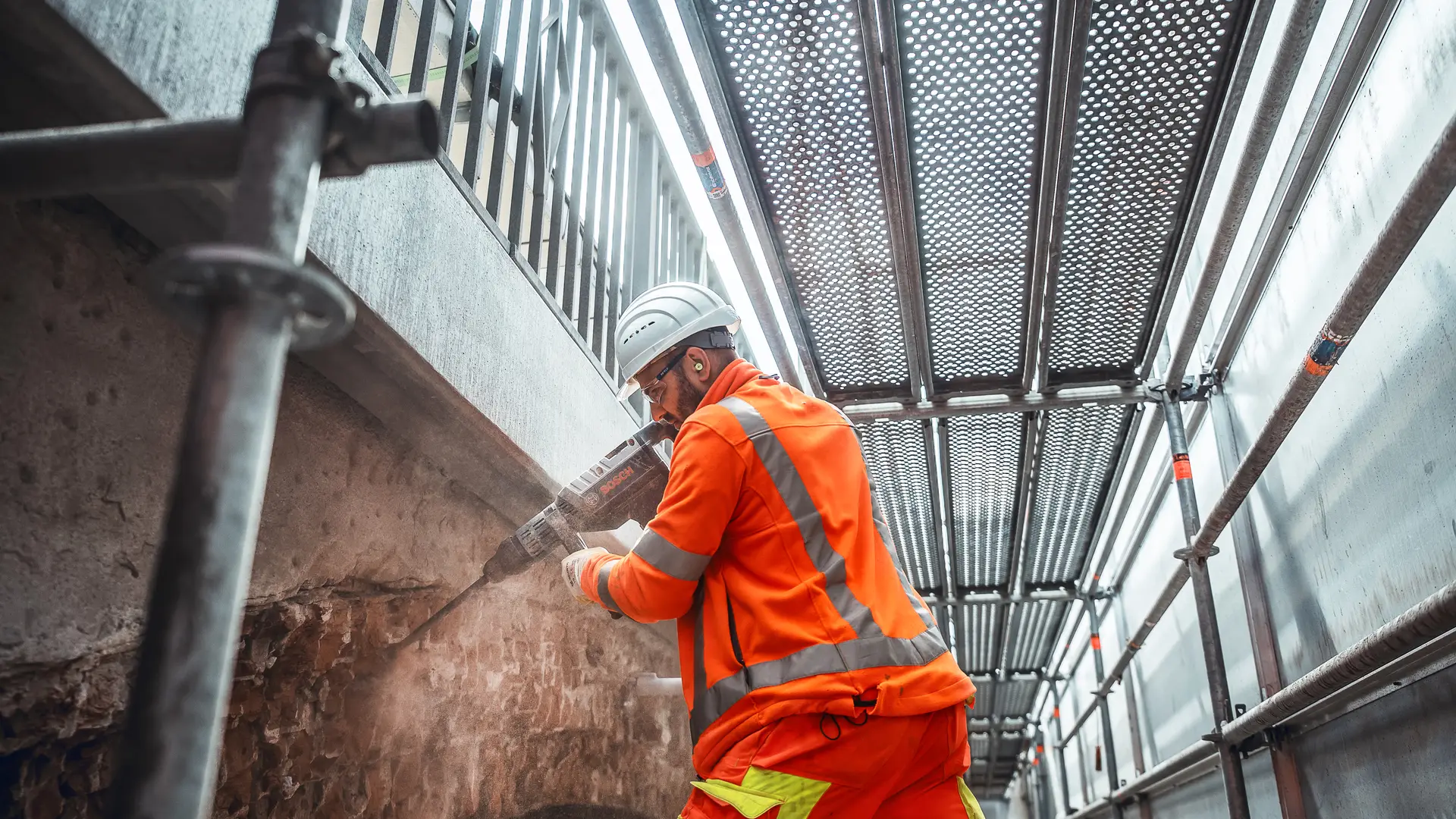
Work on the existing masonry, in particular, requires considerable experience. As the work is carried out on scaffolding and in outdoor areas behind noise barriers, only small-scale equipment can be used in many locations. Approximately 3,000 hours of manual chiseling were required to remove the damaged exterior plaster and sections of masonry, some of which had severely deteriorated.
Flexibility and Expertise
“With a structure that has been in use for more than 100 years, you never know exactly what lies beneath the surface,” explains Dirk Koblenz. “The actual conditions on site therefore have a significant impact on the measures required. This calls for flexibility and expertise.” Restricted working space presents a particular challenge, especially given the limited areas available for site facilities. The rehabilitation work began in March 2026 and is expected to be completed in the winter of 2026.
Ready for the Future
The project demonstrates what matters most in preserving historic infrastructure: safeguarding existing structures, permanently repairing damage, and upgrading structures so that they can continue to perform their intended functions reliably in the future. This helps preserve an important part of Hamburg’s urban heritage that has shaped the city for more than a century.
Press Images
Download
Your Contact

